
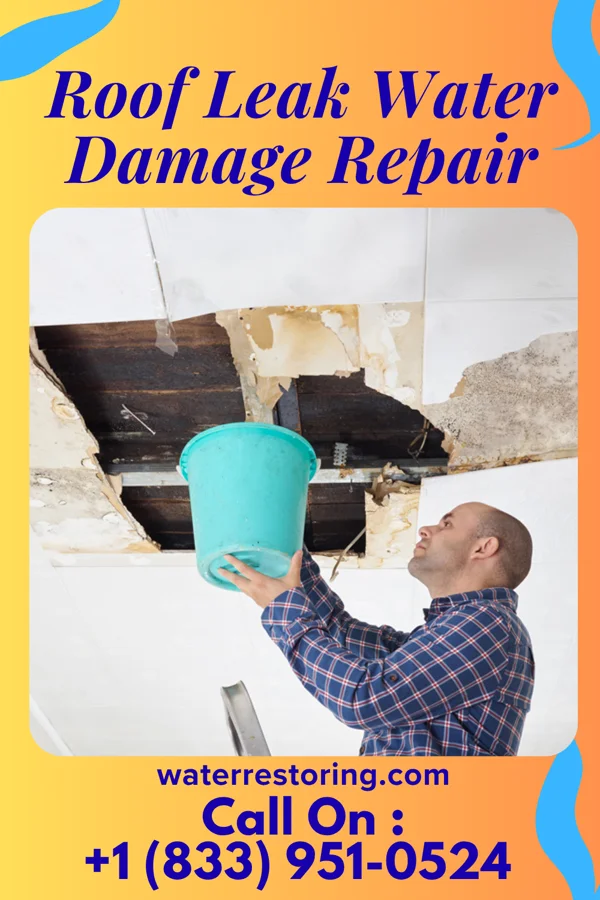
What Makes Summersville Roof-Leak-Prone
Living in Summersville means dealing with Summersville, Missouri experiences frequent thunderstorms and heavy rainfall, particularly during the spring and summer months. These storms can lead to sudden and intense water infiltration, especially in older or poorly maintained roofs. The region's climate also includes occasional high winds that can damage roofing materials and exacerbate leaks. sooner or later. A close second is In the fall, Summersville may see a shift in weather patterns with sudden temperature drops and increased humidity, which can cause condensation and moisture buildup within homes. Winter snowfall, though less common, can add weight to roofing systems and contribute to structural stress and leaks.. The good news: water damage is fully recoverable when you catch it fast and bring in certified technicians.
The climate in Summersville, Missouri, combined with its rural setting, often leads to prolonged exposure to moisture and humidity. This can result in significant water damage, particularly in older homes with aging roofing systems. The proximity to nearby towns like Mountain View and Raymondville means that regional weather patterns can also impact local homes.
Most roof leak water damage repair calls in Summersville come from Summersville, Missouri experiences frequent thunderstorms and heavy rainfall, particularly during the spring and summer months. These storms can lead to sudden and intense water infiltration, especially in older or poorly maintained roofs. The region's climate also includes occasional high winds that can damage roofing materials and exacerbate leaks.. Running a close second is In the fall, Summersville may see a shift in weather patterns with sudden temperature drops and increased humidity, which can cause condensation and moisture buildup within homes. Winter snowfall, though less common, can add weight to roofing systems and contribute to structural stress and leaks.. Local mold risk: Mold growth in Summersville can begin within 48 hours of water intrusion, posing serious health risks and structural concerns. The region's humidity and frequent rainfall create ideal conditions for mold to thrive, especially in poorly ventilated homes. Secondary damage from water, such as warped flooring and damaged insulation, is also common in the area.
For public guidance on the health effects of mold after prolonged water exposure, see the EPA mold and health page.